Dolly the Cloned Sheep: Advancements, Challenges, and Future Possibilities in Cloning Technology
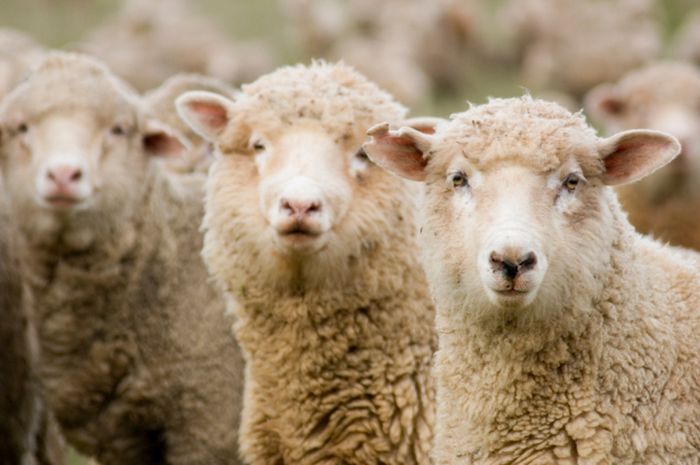
Dolly is a sheep born on July 5, 1996, she is the first mammal to be successfully cloned, so that makes her very famous until now. Although there have previously been animals that have been successfully cloned, this Dolly sheep is different, she is a cloned animal derived from adult cells (precisely derived from the mammary gland of a six-year-old Finn Dorset sheep and an egg cell taken from a Scottish Blackface sheep). Dolly the sheep lived for six years before she died on February 14, 2003. At the time of her death, Dolly the sheep was suffering from several health problems that are common in older sheep, such as osteoarthritis and lung infections. so this essay will discuss more the creation of Dolly the cloned sheep, including the scientific process involved, its significance in biotechnology, and the latest developments after the technology related to the cloning of Dolly sheep.
Dolly is the first mammal to be cloned using SCNT (Somatic Cell Nuclear Transfer). According to Stocum (2023) SCNT is a technique in which the nucleus of a somatic (body) cell is transferred to the cytoplasm of an enucleated egg cell (an egg cell that has had its nucleus removed). This process has reproductive and therapeutic implications, both of which share the same initial process of taking an adult cell nucleus, placing it into an oocyte, and stimulating it to grow with electricity or chemicals, it will produce an embryo that is genetically identical to the donated nucleus: if implanted in the womb, a clone will develop (Koslov et al., 2019). It has been suspected since 1999 that Dolly, the world's first successfully cloned mammal, might age prematurely, also in that year investigators found that her telomeres—DNA fragments that reside on the ends of chromosomes—are about 20% shorter than the average for a sheep of her age (Dyer, 2002).

The success of cloning that has been carried out on dolly sheep has opened up very broad biomolecular and biotechnological research insights using other species, where these biotechnological advances in humans can be utilized in terms of therapeutic, reproductive, and replacement (Wanko et al., 2010). In addition, cloning also has the potential to be utilized in agriculture and health. In agriculture, cloning is used to produce transgenic plants. These plants can have the properties we want, for example, pest-resistant plants, herbicide-tolerant plants, plants with the best nutritional quality, and so on (Sugianto, 2017). Then in the medical field, cloning is used for therapeutic stem cells. Stem cells themselves can differentiate into other cells, such as nerve cells, heart muscle cells, skeletal muscle cells, pancreatic cells, and so on (Hartono, 2016). However, from the many benefits of cloning, various problems are still found in its application, such as in agriculture, namely transgenic plants for human consumption; in the field of animal husbandry that produces clones of animals that are raised without mothers, will they be able to play a role naturally in the future; then on cloning extinct species to maintain or restore ecosystems, is it needed and can replace the role of species (Wanko et al., 2010).
Cloning using the future is expected to be developed to revive animals that have become extinct. A clone of the Spanish ibex subspecies bucardo is born. A team of scientists had several years previously cultured skin samples from the last living individuals and frozen them in liquid nitrogen (Folch et al., 2009). The study by Loi et al. (2001) attempted to clone an endangered wild sheep. The cells used in the experiment were not viable but could produce embryogenesis in cells that underwent a fusion with enucleated eggs. Cloning of dead mice has also been carried out in a study by Wakayama et al. (2018) with the result that cell nuclei from mouse organs that had been injected into enucleated mouse oocytes, some embryos were able to develop into blastocysts. The challenge of using frozen cells for cloning is that the efficiency of the embryo has decreased.
In conclusion, the creation of Dolly the cloned sheep in 1996 marked a significant milestone in cloning technology and biotechnology as a whole. Dolly, derived from adult cells using SCNT, became a global icon of cloning. While she lived for six years, her premature aging and health problems raised concerns about the long-term effects of cloning. The creation of Dolly revolutionized cloning technology and sparked advancements in biotechnology. While there are still ethical considerations and technical obstacles to overcome, cloning holds tremendous potential for various applications, necessitating continued research and responsible exploration of its benefits and limitations.
References:
Dyer, O. 2002. Dolly’s
arthritis dents faith in cloning. BMJ, 324(7329), 67–67.
D.S. Koslov, A. Atala, Bioengineered Kidney and Bladder,
Editor(s): Roger Narayan, Encyclopedia of Biomedical
Engineering, Elsevier. 2019. Pages 432-443.
Folch, J., Cocero, M.J.,
Chesné, P., Alabart, J.L., Domínguez, V., Cognié, Y. et al. 2009. First
birth of an animal from an extinct subspecies (Capra pyrenaica pyrenaica)
by cloning. Theriogenology. 71. 1026– 1034.
Hartono, Budiman. 2016.
Sel Punca: Karakteristik, Potensi, dan Aplikasinya. Jurnal
Kedokteran Meditek, (22):60.
Loi, P., Ptak, G.,
Barboni, B., Fulka, J. Jr, Cappai, P. & Clinton, M. 2001. Genetic rescue of
an endangered mammal by cross-species nuclear transfer using post-mortem
somatic cells. Nature Biotechnology. 19. 962– 964.
Stocum, David.
"somatic cell nuclear transfer". Encyclopedia Britannica, 20 Mar.
2023, https://www.britannica.com/science/somatic-cell-nuclear-transfer.
Accessed 15 June 2023.\
Sugianto. 2017. Kajian
Bioetika Tanaman Transgenik. Jurnal Magifera Edu, (1):2.
Wakayama, S., Ohta, H.,
Hikichi, T., Mizutani, E., Iwaki, T., Kanagawa, O. et al. 2008. Production of
healthy cloned mice from bodies frozen at -20 degrees C for 16 years. Proceedings
of the National Academy of Sciences of the United States of America. 105.
17318– 17322.
Wangko, Sunny dan
Kristanto, Erwin. 2010. Kloning Manfaat Versus Masalah. Jurnal Biomedik. (2):2.
Komentar
Posting Komentar